Vinod Khosla’s TED 2024 talk is not a cautious forecast. It is a deliberately bold vision of what the world could look like between 2035 and 2049 if AI, robotics, climate technology, biotechnology, and entrepreneurial risk-taking keep compounding.
The phrase “possible tomorrows” matters. These are not guaranteed outcomes, and Khosla does not present them as a passive future waiting to arrive. The argument is more active: if entrepreneurs build aggressively, if policy avoids short-term thinking, and if society allows useful technologies to scale, the next two decades could be far more abundant than many people expect.
The Core Idea: Abundance Through Technology
Khosla’s vision is rooted in techno-optimism. He believes the most important breakthroughs often begin as ideas that sound unreasonable at first. In that framing, the future is not created by experts who extrapolate the past in a straight line. It is created by people willing to build what sounds impossible before it becomes obvious.
The predictions span several areas: AI doctors and tutors, low-cost robotic labor, natural-language programming, AI-generated entertainment, faster transportation, better food systems, abundant resources, precision medicine, and climate solutions. The common thread is access. If the technology works and scales, things that are currently expensive, scarce, or limited to wealthy populations could become broadly available.
That is the exciting part of the talk. It imagines technology not merely as convenience, but as a way to expand human capability.
Expertise Could Become Cheap and Always Available
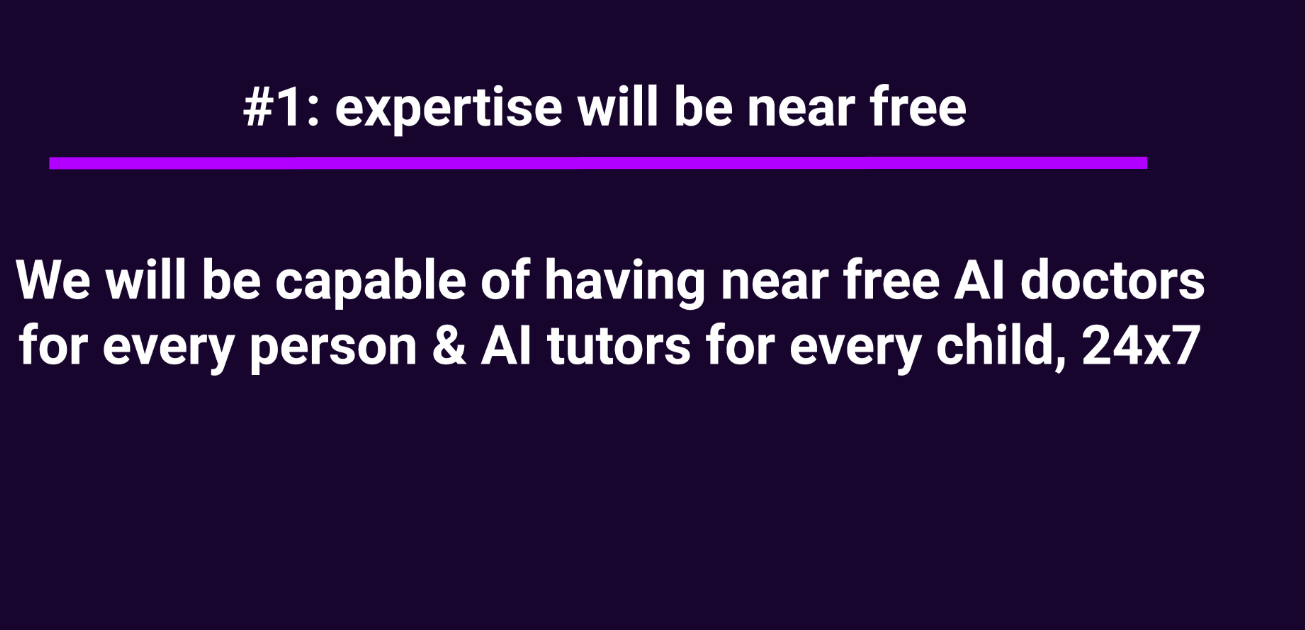
One of the strongest predictions is that high-quality expertise will become dramatically more accessible. AI tutors could support every child. AI doctors could provide basic medical guidance to every citizen, at any hour, at very low cost.
This is a powerful idea because expertise is one of the biggest bottlenecks in the world. Many people do not lack ambition; they lack access to a good teacher, a good doctor, a good advisor, or a specialist who can help them at the exact moment they need help.
If AI can deliver reliable, personalized guidance at scale, education and healthcare could shift from scarce services to always-on support systems. The challenge, of course, is trust. Medical AI must be safe, audited, regulated, and designed around human responsibility. Education AI must help students think, not simply generate answers for them.
Labor Could Be Reshaped by Robotics
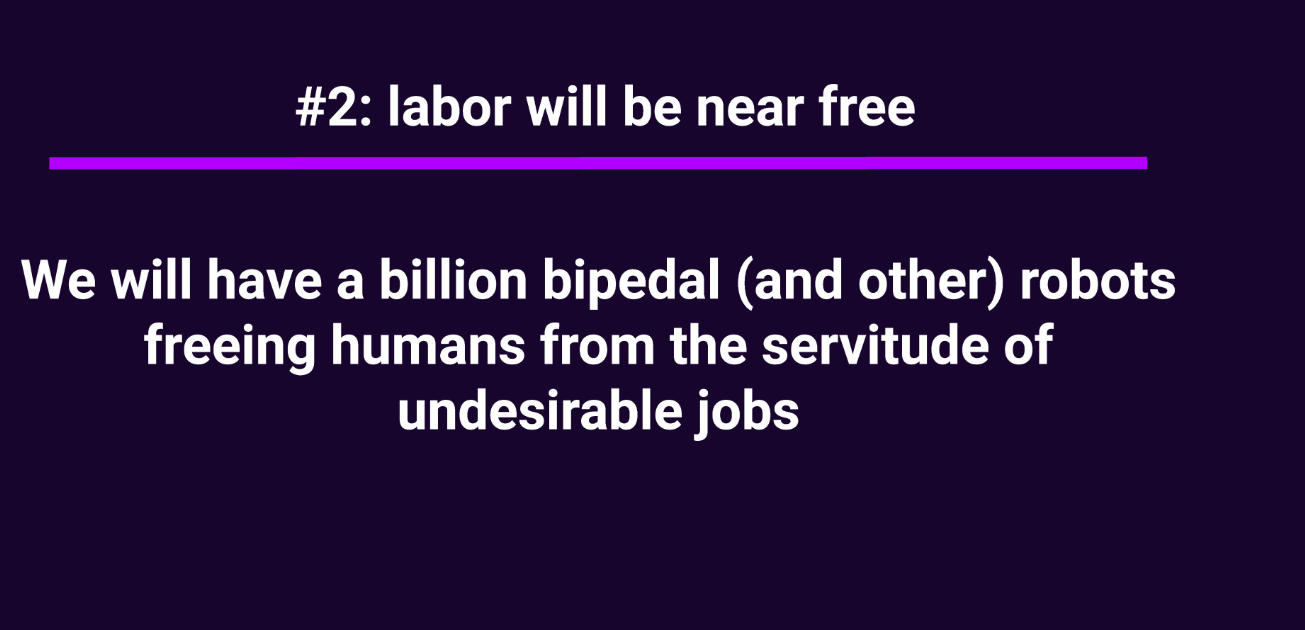
Khosla also predicts a massive robotic workforce. The idea is not just warehouse automation or factory arms, but bipedal and other general-purpose robots capable of taking over physically difficult, repetitive, or undesirable work.
If that happens, the economic impact could be enormous. Industries built around manual labor would change. Costs could fall. Productivity could rise. Dangerous jobs could become safer because fewer people would need to perform them directly.
But this is also one of the predictions that needs the most social planning. Cheap robotic labor could create abundance, but it could also disrupt wages, job identity, regional economies, and political stability. The optimistic version requires new pathways for people to move into better work, not simply a wave of replacement.
Programming May Become a Human-Language Skill
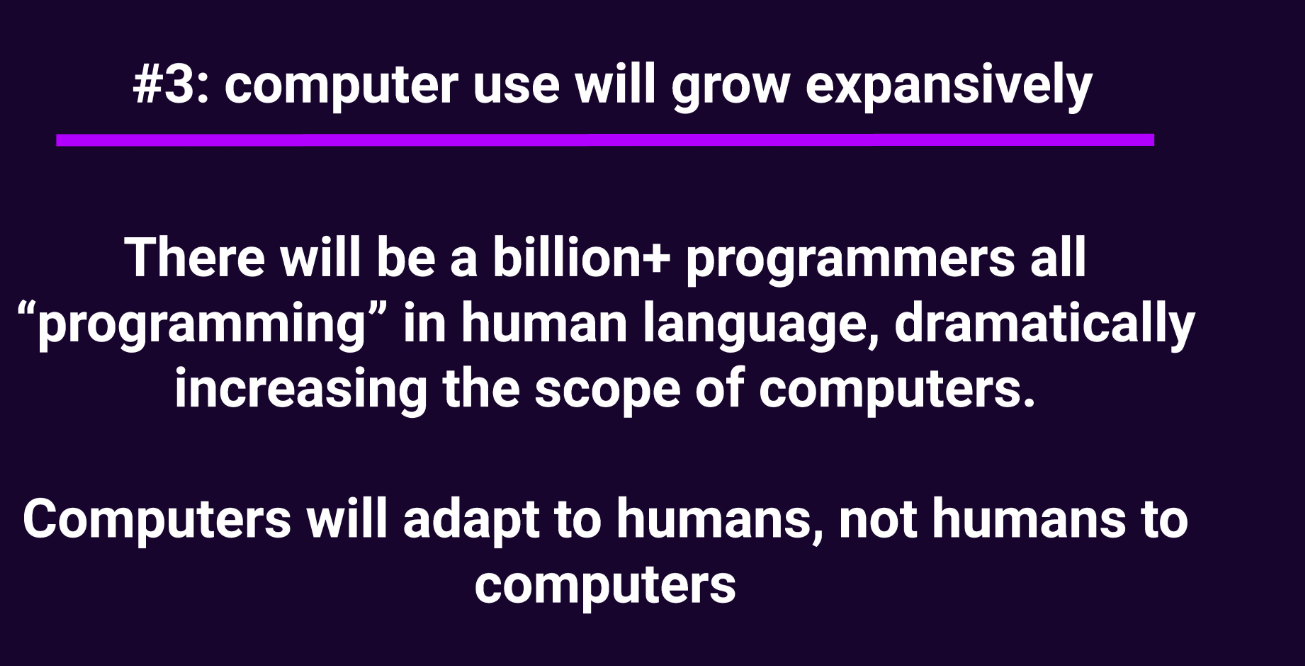
Another major prediction is that programming will become far more natural. Instead of forcing humans to adapt to computers, computers will adapt to human language. In that world, a much larger share of people can build software by describing what they want.
This does not mean professional software engineering disappears. Complex systems still need architecture, security, reliability, testing, and careful product judgment. But it does mean the entry point changes. A founder, scientist, teacher, designer, or small business owner may be able to create useful tools without waiting for a full engineering team.
That could unlock a huge amount of latent creativity. Many people know the problem they want to solve but do not know how to translate it into code. AI-assisted programming narrows that gap.
Creativity, Entertainment, and Design Will Be More Personalized
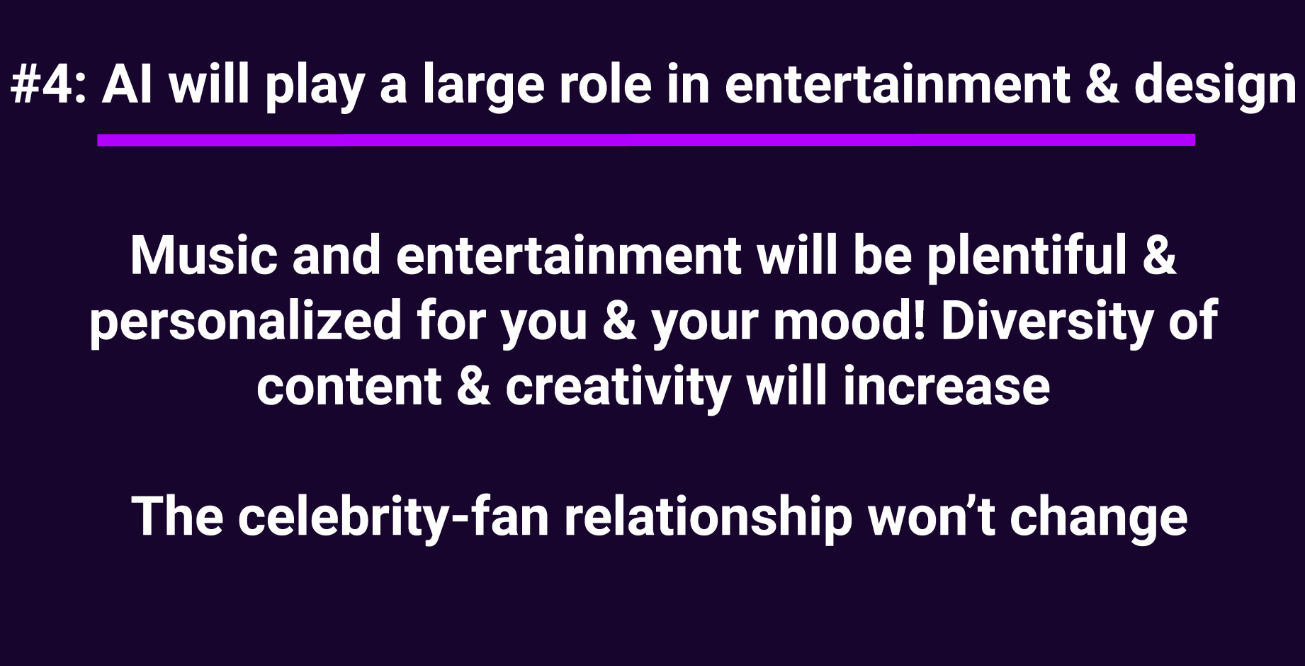
Khosla’s future also imagines AI playing a major role in entertainment and design. Music, video, games, film, architecture, product concepts, and visual media could become more personalized and more abundant.
This is already visible today. Generative AI can help people draft, compose, sketch, animate, and prototype faster than before. By 2035, those systems may feel less like tools and more like creative collaborators.
The opportunity is obvious: more people can create. The risk is also obvious: creative labor markets, copyright rules, authenticity, and cultural value all become more complicated. If everything can be generated cheaply, society will have to decide what originality, authorship, and taste mean in a world of infinite media.
Transportation, Energy, and Climate Could Move Faster Than Expected
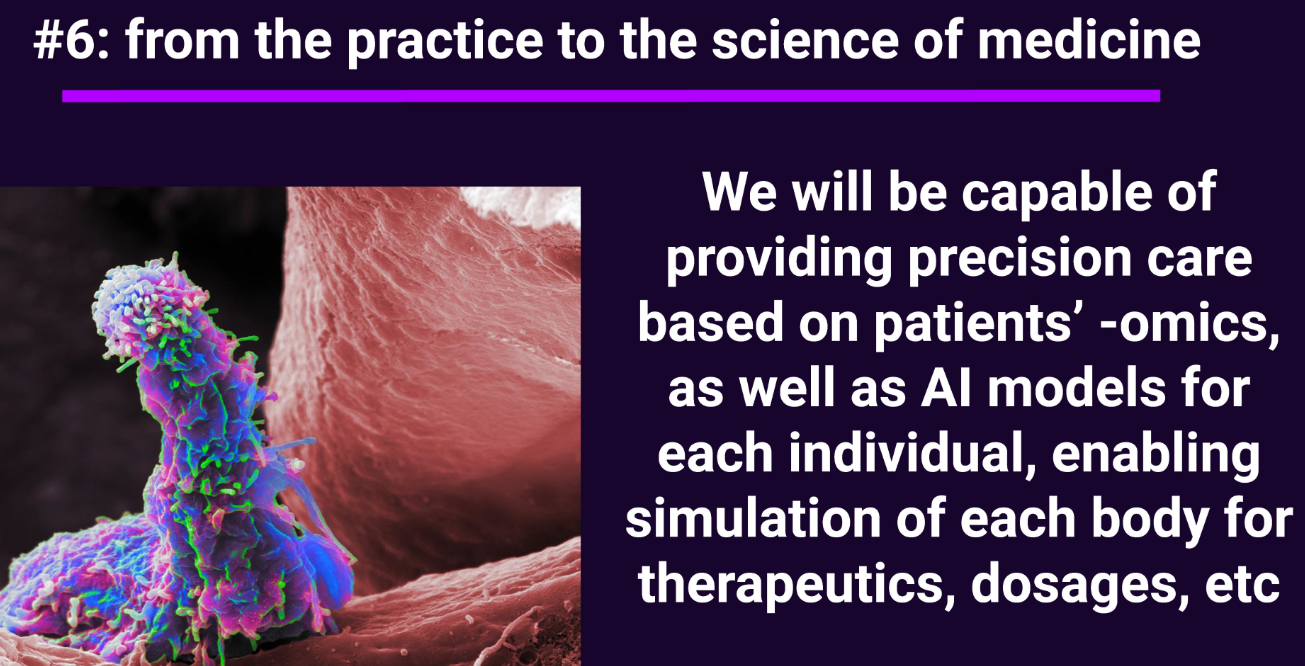
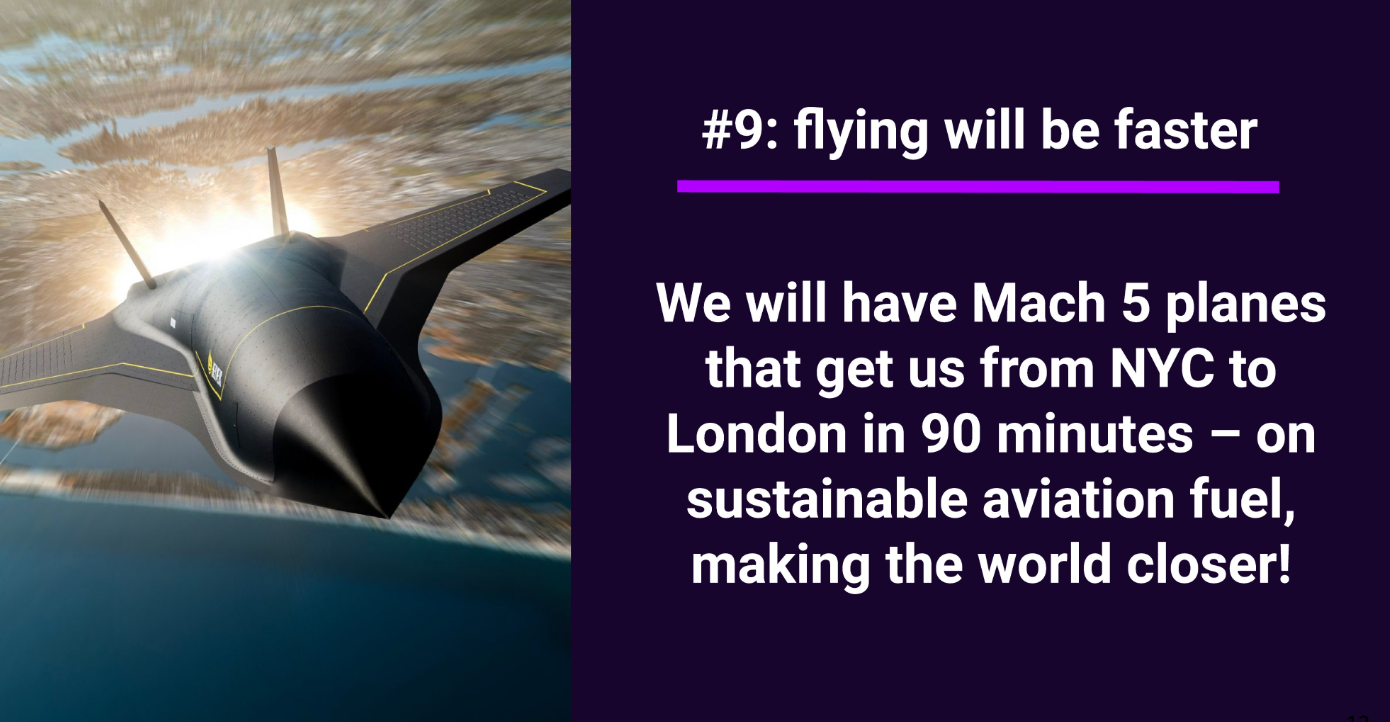
One of the more dramatic ideas from the talk is extremely fast air travel, including aircraft capable of crossing long distances at speeds that would make today’s international travel feel slow. Whether timelines like that prove realistic or not, the broader point is that transportation may still have room for radical improvement.
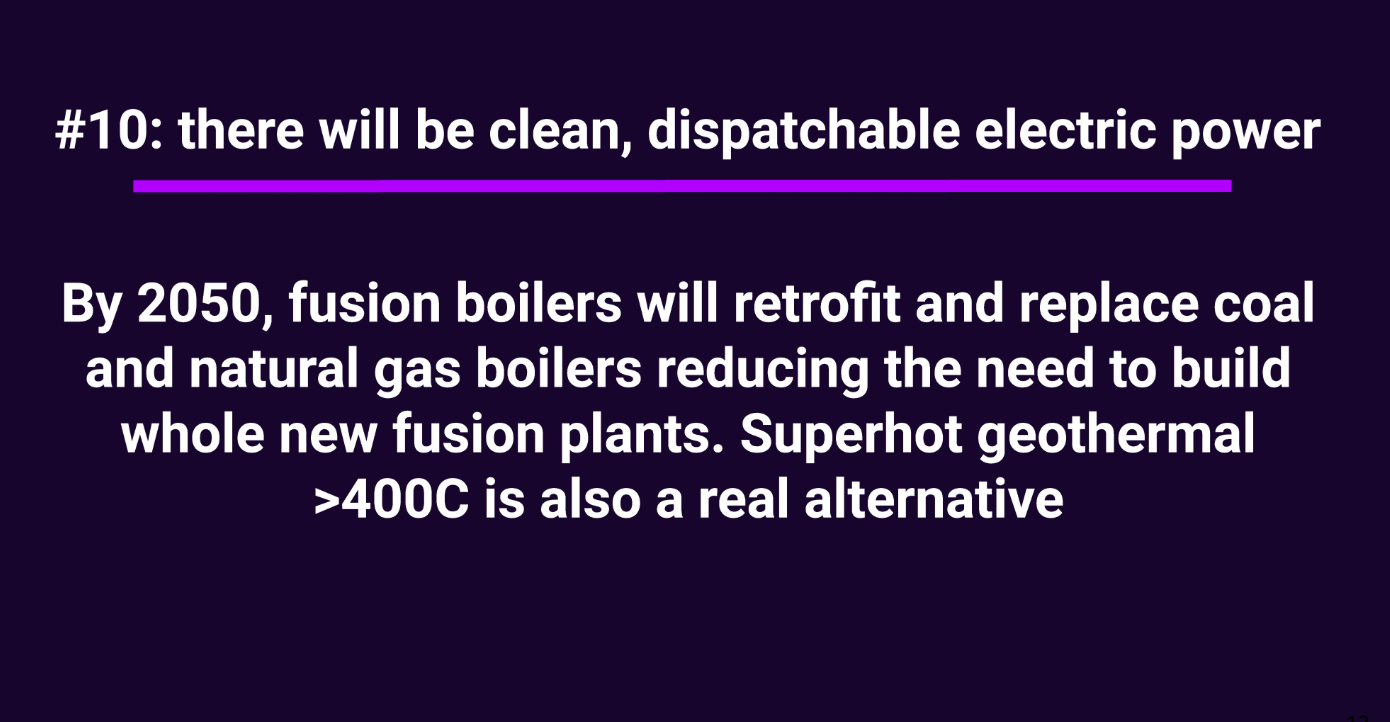
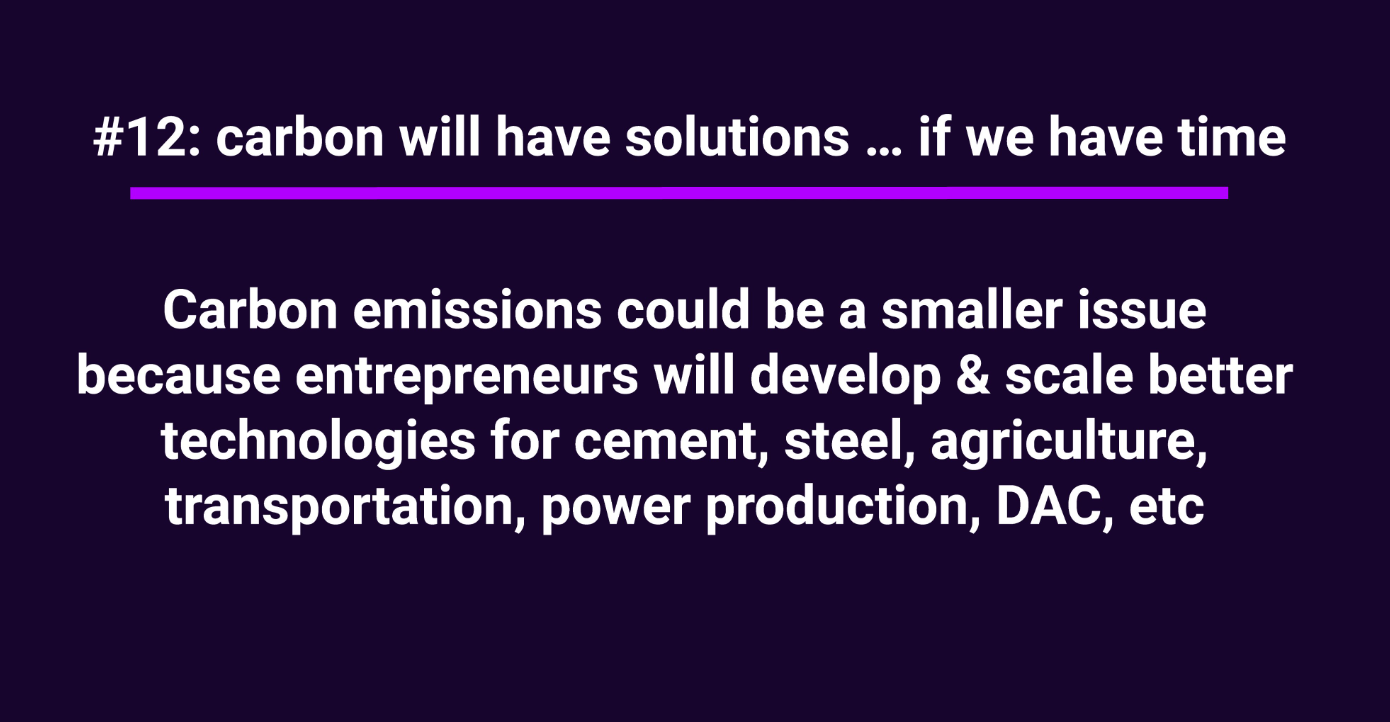
The same optimism applies to climate technology. Khosla argues that better technologies for cement, steel, agriculture, transportation, power production, and direct air capture could make carbon emissions a more solvable problem if there is enough time and enough scaling.
This is an important distinction. Climate progress is not only about sacrifice. It can also come from replacing dirty systems with better systems that are cheaper, cleaner, and easier to adopt.
Food, Fertilizer, and Resources Could Become More Plentiful
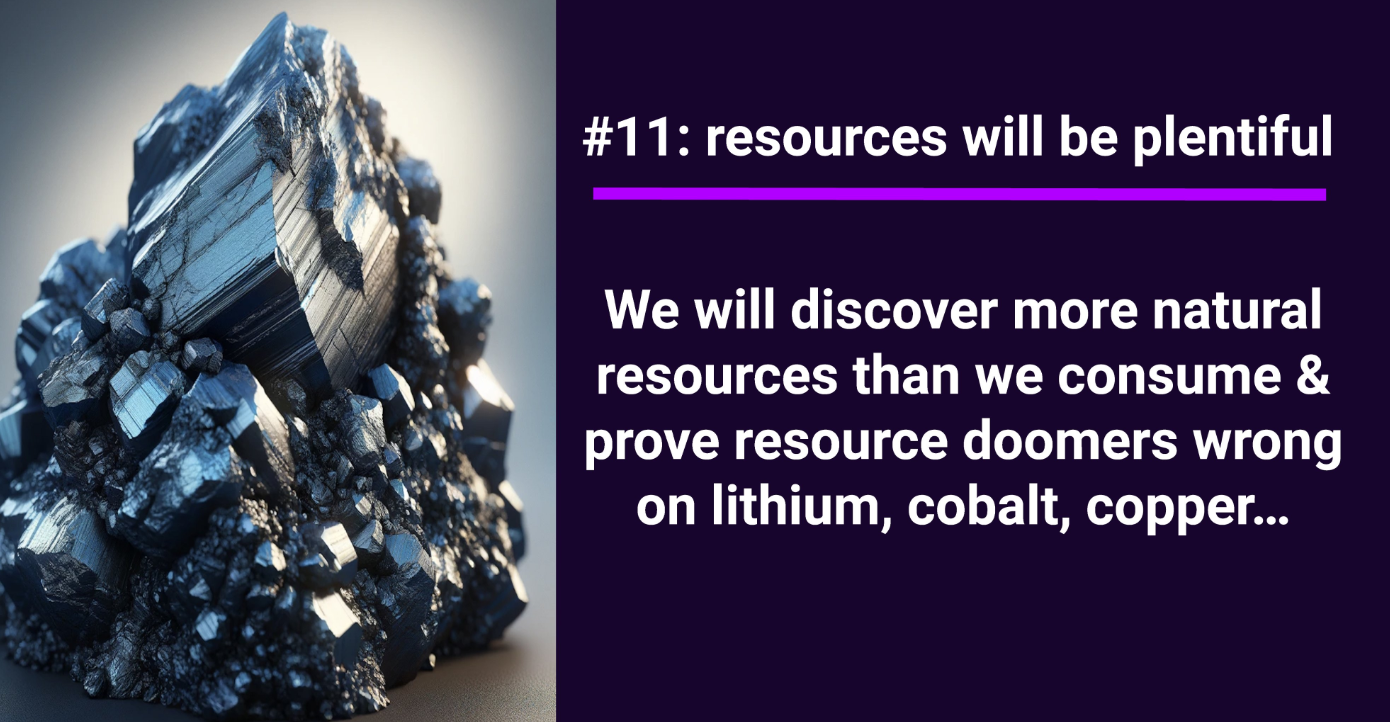
The talk also pushes back against resource pessimism. Khosla suggests that technology can help discover, substitute, recycle, or produce more of what the world needs, including materials such as lithium, cobalt, and copper.
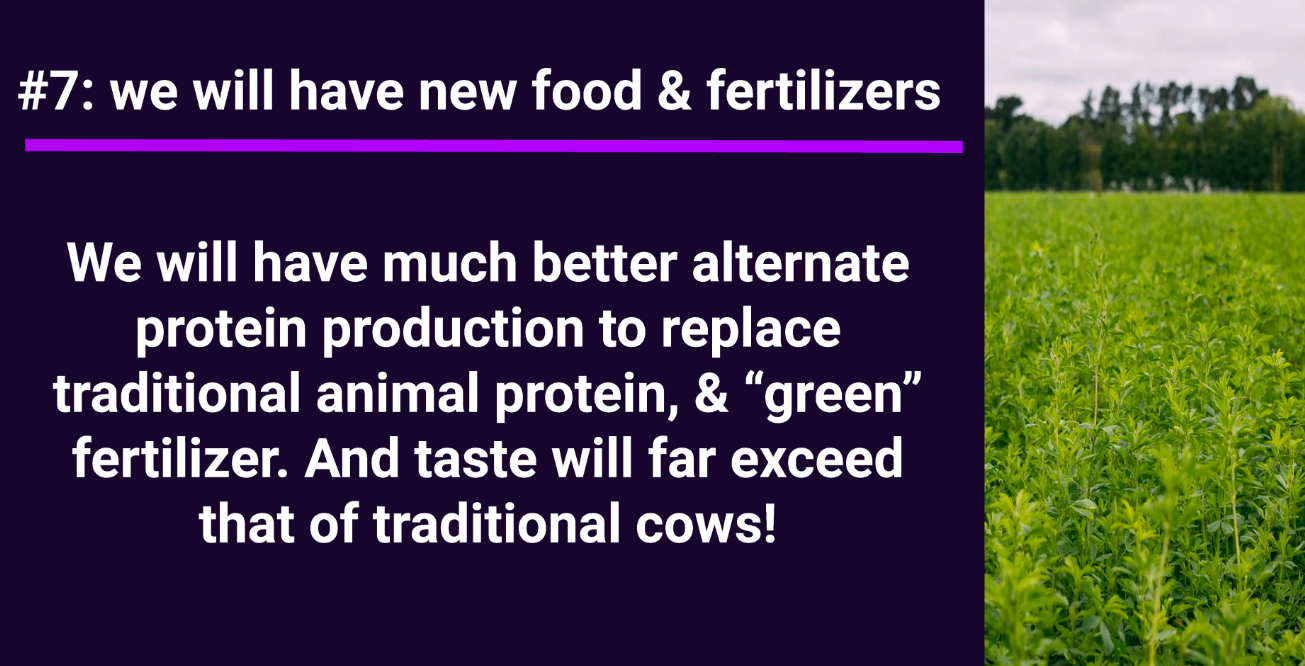
Food is another part of the abundance thesis. Alternative proteins and greener fertilizers could reduce dependence on traditional livestock and high-emission agricultural inputs. For this to work at scale, the products cannot merely be ethical. They must taste good, be affordable, and fit into real supply chains.
That is where the prediction becomes interesting. The future of food will not be won only by moral persuasion. It will be won by better products.
Medicine Could Become More Personal
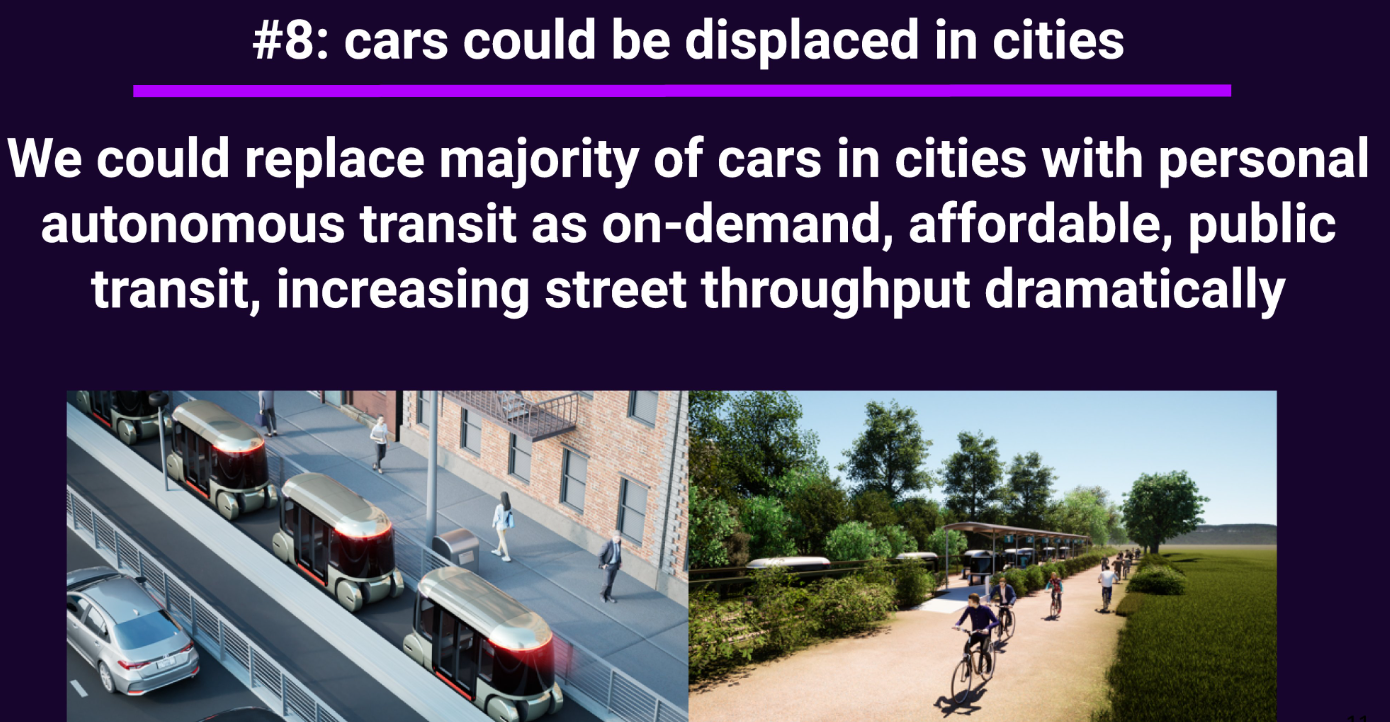
Khosla’s healthcare prediction goes beyond AI chat interfaces. The deeper vision is a shift from generalized medicine to precision care. With better biological data, omics, AI models, and simulation, treatment could become more personalized to each individual.
That would be a major change. Today, medicine often relies on population-level evidence and broad protocols. Personalized models could help match therapies, dosages, and interventions to the person rather than the average patient.
The promise is huge, but the standards must be high. Personalized medicine requires data privacy, clinical validation, equitable access, and careful integration with physicians. A future with better healthcare should not become a future where only wealthy people receive the best models.
What Could Slow These Tomorrows Down
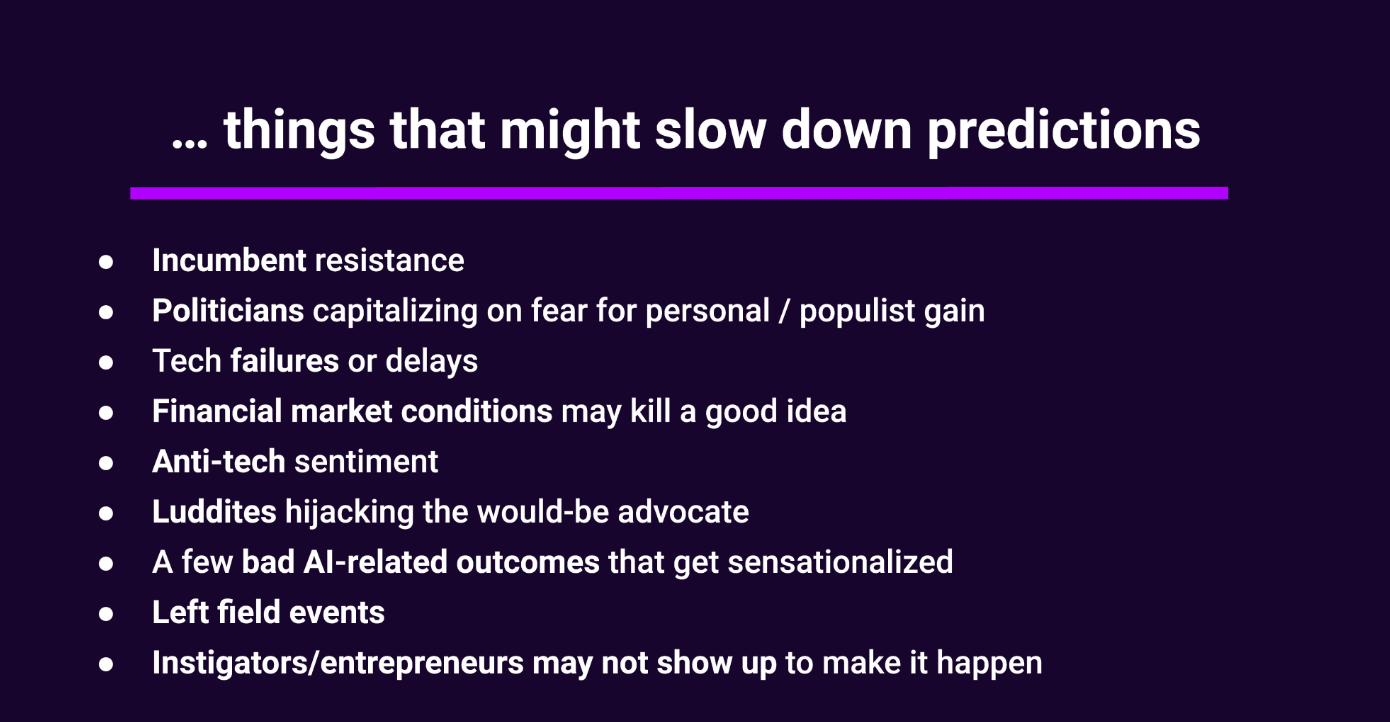
The most useful part of this vision is that it does not ignore friction. Several forces could slow or block these predictions: incumbent resistance, political fear, anti-technology sentiment, financial market cycles, technical failures, harmful AI incidents, and the simple possibility that the right entrepreneurs do not show up.
That is the practical lesson. Technology alone is not enough. Abundance requires deployment. Deployment requires capital, regulation, public trust, infrastructure, and persistence. Even a breakthrough can stall if it cannot fit into the real world.
A Better Way to Read the Prediction
The right way to read Khosla’s possible tomorrows is not as a checklist of things that will certainly happen by 2049. It is better to read them as a challenge: what would have to be built for this future to become real?
That framing is more useful than either blind optimism or reflexive pessimism. Some predictions will be early. Some will be late. Some may be wrong. But the direction is worth studying because it points to the areas where technology could most improve everyday life: health, education, labor, energy, food, transportation, computing, and creativity.
The best futures are not predicted into existence. They are built, tested, regulated, improved, and made available. That is the real message of possible tomorrows.
References
-
Khosla, V., 2024. TED 12 predictions for the future of technology. Khosla Ventures. https://www.khoslaventures.com/posts/ted-12-predictions-for-the-future-of-technology - TED Blog, 2024. Mind Expanders: Notes on Session 2 of TED2024. https://blog.ted.com/mind-expanders-notes-on-session-2-of-ted2024/